Study the Exciting World of Escape Space Styles and Their Popularity
The realm of retreat space themes presents a fascinating intersection of entertainment, storytelling, and psychological involvement. As participants involve themselves in different scenarios-- from thrilling heists to elaborate historical enigmas-- the charm of these settings comes to be significantly obvious (Escape The Room Boise). This fad is not simply a fleeting phenomenon; rather, it reflects much deeper social characteristics and cognitive actions that raise the experience beyond straightforward recreation. Recognizing the variables that contribute to their rise in popularity elevates interesting questions regarding the future of interactive amusement and its possible evolution. What exists in advance for this exciting kind of involvement?
Popular Retreat Area Themes
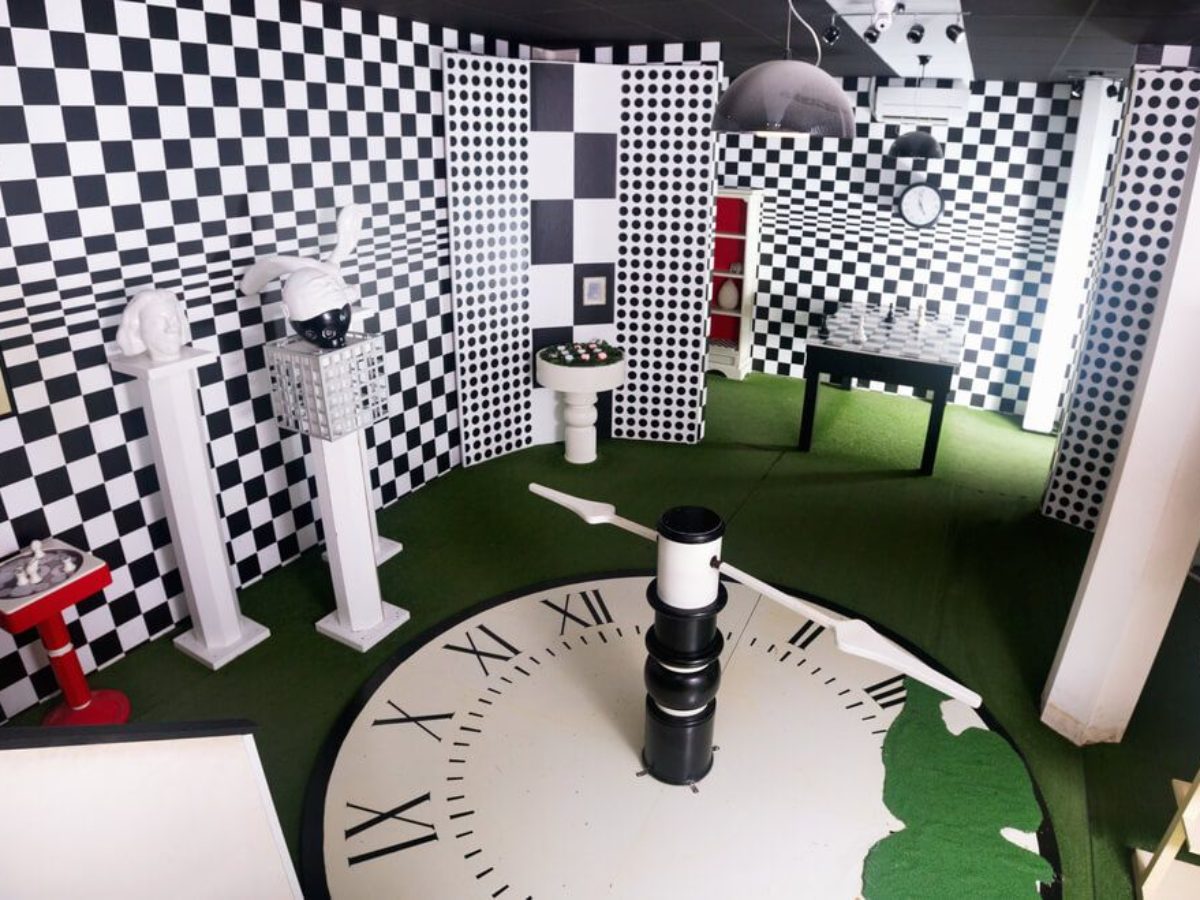
In the world of immersive enjoyment, popular escape area motifs mesmerize participants with their diverse stories and engaging obstacles. These styles usually attract motivation from numerous styles, consisting of horror, mystery, adventure, and scientific research fiction, permitting a broad series of experiences.
One prevalent motif is the "murder secret," where players have to resolve a whodunit by assembling hints and questioning suspects. This motif allures to those that delight in reduction and storytelling. An additional popular selection is the "journey" theme, commonly set in old ruins or witch hunt, where participants browse physical challenges and traps, enhancing the sense of expedition.
The "scary" style likewise amasses significant interest, involving gamers in spine-chilling circumstances that need both guts and team effort to run away from a haunted setup or an eerie laboratory. Furthermore, "sci-fi" themes transportation individuals to unusual landscapes or advanced globes, testing their analytic abilities in unique contexts.
Eventually, the appeal of retreat space themes comes from their ability to involve individuals in collective analytic while engaging them in exciting tales. Each theme provides a distinctive experience, making certain that participants continue to be intrigued and amused.
The Psychology Behind Escape Rooms
While participants take part in the thrilling obstacles of escape rooms, the underlying psychology at play substantially enhances their experience. Getaway spaces are developed to generate a series of emotional feedbacks, consisting of fulfillment, stress and anxiety, and enjoyment (Boise Escape Room). The anticipation of resolving problems produces a sense of urgency, encouraging participants to work collaboratively and assume critically under stress
The idea of circulation, introduced by psycho therapist Mihaly Csikszentmihalyi, is specifically pertinent in this context. Individuals frequently locate themselves fully immersed in the job available, leading to heightened focus and satisfaction. This state of flow is facilitated by the organized atmosphere of a getaway area, where challenges are adjusted to match the participants' skill levels, eventually promoting a sense of achievement upon completion.
Aspects Driving Popularity
The surge in appeal of escape areas can be credited to a number of related elements that resonate with modern home entertainment choices. The increase of experiential activities over easy amusement types has actually driven participants to seek interesting and interactive options. Getaway rooms give a distinct mix of team effort, satisfaction, and challenge, attracting people trying to find greater than simply traditional recreation.
Secondly, the growing focus on social links in a digital age has actually moved the demand for group-oriented experiences. Retreat areas urge collaboration and interaction among participants, cultivating sociability and enhancing connections. This social aspect is particularly appealing to millennials and Gen Z, who focus on common experiences.
In addition, the versatility of themes and difficulty levels enables retreat areas to accommodate a wide audience, fitting different rate of interests and capability - Boise Escape Room. This adaptability makes sure that establishments can attract diverse clients, from company groups seeking team-building workouts to families trying to find fun activities
Special Experiences and Storytelling
Crafting immersive narratives is a crucial element that sets getaway areas in addition to various other enjoyment options. These experiences welcome individuals to tip into diligently designed worlds, where the storyline unravels with elaborate problems and engaging obstacles. The stories commonly draw ideas from pop culture, secrets, and historical events, enabling players to attach emotionally with the styles and personalities.
In a retreat room, the story is not simply a backdrop; it drives involvement and cultivates team effort. Individuals are changed into protagonists, charged with solving a situation or unraveling a mystery, which improves their sense of company and financial investment in the outcome. Each idea they find and each puzzle they solve adds to the general narrative arc, producing a feeling of development and success.
Moreover, the interplay between storytelling and gameplay raises the her explanation experience, as gamers typically recount their journeys long after leaving the space. This element of shared storytelling promotes social communication, making retreat spaces a prominent selection for team-building tasks, household outings, and celebrations. As the industry develops, the importance of special experiences and compelling stories will certainly proceed to shape the future of getaway rooms, improving the individual experience.

Future Trends in Getaway Room Style
As the need for interesting and cutting-edge experiences continues to grow, escape room design is developing Read More Here to meet the assumptions of a diverse audience. Future patterns show a substantial change in the direction of including innovative innovation, such as increased fact (AR) and online fact (VR), to boost the immersive experience. This integration permits for vibrant environments where participants can engage with electronic components, developing a more interesting narrative.
In addition, styles are becoming sophisticated and increasingly varied, moving beyond standard categories. Designers are checking out cross-genre experiences, combining scary with funny or sci-fi with historical elements, to bring in a wider series of individuals. Customizability is likewise gaining grip; customers are looking for customized experiences that can accommodate certain group characteristics or choices.
Sustainability is one more arising pattern, as designers are concentrating on environmentally friendly products and practices. By prioritizing sustainability, getaway area operators can attract eco aware customers. The incorporation of live actors within scenarios is on the surge, including an interactive layer that enriches storytelling and individual involvement. In general, the future of escape space design promises to be an amazing mix of innovation, creativity, and audience-centric experiences.
Verdict
The immersive nature of retreat spaces, combined with varied themes and engaging narratives, fosters social links and improves analytic skills. Mental variables, such as the adventure of difficulty and check out this site team effort, add considerably to their popularity. As modern technology remains to breakthrough and personalization choices expand, the retreat room market is poised for further growth. Future trends are likely to highlight unique experiences and ingenious storytelling, ensuring that escape spaces remain a prominent kind of interactive entertainment.
While individuals engage in the thrilling difficulties of escape areas, the underlying psychology at play significantly boosts their experience. The excitement of overcoming challenges together can enhance relationships, making the escape room experience not just a test of intelligence but also an extensive social event. As the sector develops, the relevance of engaging narratives and one-of-a-kind experiences will certainly proceed to form the future of getaway areas, improving the participant experience.
In general, the future of escape space layout assures to be an exciting blend of technology, creativity, and audience-centric experiences.
Future patterns are likely to highlight distinct experiences and cutting-edge narration, ensuring that getaway rooms stay a famous type of interactive home entertainment.